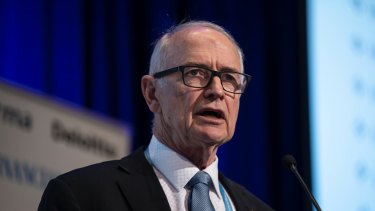
James Shaw, New Zealand’s climate change minister, has asked the
country’s independent climate change commission to check whether its
emissions targets under the Paris agreement are enough to limit global
heating to 1.5C. He explains why he’s prioritising the issue during a
strict national lockdown to stop the spread of Covid-19, which could
send New Zealand’s unemployment rate soaring.
To say that we find ourselves in an unprecedented moment is so obvious and has been so often repeated it’s almost become white noise. What is less obvious, however, is where we go from here.
In any significant crisis, let alone one as catastrophic as the Covid-19 pandemic, it is an entirely understandable human reflex to want things to “return to normal”, to “go back to the way they were before”.
And, when faced with economic headwinds – in recent decades, the
Asian financial crisis, the global financial crisis and, in our own
case, the Christchurch earthquakes) successive governments the world
over have directed their efforts to meeting public expectation and
getting back to business as usual.To say that we find ourselves in an unprecedented moment is so obvious and has been so often repeated it’s almost become white noise. What is less obvious, however, is where we go from here.
In any significant crisis, let alone one as catastrophic as the Covid-19 pandemic, it is an entirely understandable human reflex to want things to “return to normal”, to “go back to the way they were before”.
Unfortunately, one of the features of business as usual was a highly polluting and ecologically unsustainable economy on a pathway that was locking in catastrophic climate change.
Successive responses to economic crises have seen climate change and the natural environment we depend on for life on Earth as a nice-to-have, something to think about once we’ve got the economy back on track and there’s a bit more money to go round.
Read the complete The Guardian article