Thursday, 5 November 2020

State Backers of Anti-Protest Bills Received Campaign Funding from Oil and Gas Industry, Report Finds (excerpt): DeSmog

 "Politicians responsible for drafting laws criminalizing pipeline protests in Louisiana, West Virginia, and Minnesota did so after receiving significant funding from the fossil fuel industry, according to a new report by the Institute for Policy Studies, a progressive think tank based in Washington, D.C.

The major pipelines studied in the report disproportionately impact historically disenfranchised communities who, in turn find themselves potentially targeted by the protest criminalization measures, often framed as efforts to protect “critical infrastructure,” the report details.

Under the premise of protecting infrastructure projects,” the Institute wrote, “these laws mandate harsh charges and penalties for exercising constitutional rights to freely assemble and to protest.”

Marathon Petroleum, one of three large fossil fuel companies the report names as driving state-level efforts to criminalize pipeline protests, is also facing new allegations of electoral wrong-doing in the form of a Federal Election Commission complaint alleging that the company made over $1 million in contributions to Republican super PACs that are barred by rules preventing federal contractors from providing that sort of funding."

...................

“Micheal Hennigan and the oil corporations lobbying for these bills are obviously trying to criminalize dissent, not protect public health,” said Jesse Coleman, a senior researcher with Documented, a watchdog group. “Look at what has actually caused pipeline explosions, leaks, and other problems — it's not the oil industry critics.”

“These projects are dangerous by design,” Coleman added, “and trying to shift the focus to boogeymen protesters is a cheap trick to avoid scrutiny.”

Go to original DeSmog article by Sharon Kelly 


Related: Polling Shows Growing Climate Concern Among Americans. But Outsized Influence of Deniers Remains a Roadblock (excerpt): DeSmog


also


Meet the Money Behind The Climate Denial Movement (excerpt): Smithsonian Mag

Sunday, 1 November 2020

The Trump administration is burying dozens of studies detailing the promise of renewable energy, impeding a transition away from fossil fuels (excerpt): Grist

 ‘It just goes into a black hole’ 

Vote for my future climate

The Trump administration is burying dozens of studies detailing the promise of renewable energy, impeding a transition away from fossil fuels

on Oct 26, 2020

"But what went unsaid at the grip-and-grin was that one of those high-ranking officials, Dan Simmons of the U.S. Department of Energy doesn’t appear to fully support renewables. In fact, he has presided over his agency’s systematic squelching of dozens of government studies detailing its promise.

One pivotal research project, for example, quantifies hydropower’s unique potential to enhance solar and wind energy, storing up power in the form of water held back behind dams for moments when the wind isn’t blowing and the sun isn’t shining. By the time of the Hoover Dam ceremony, Simmons’ office at the Energy Department had been sitting on that particular study for more than a year.


In all, the department has blocked reports for more than 40 clean energy studies. The department has replaced them with mere presentations, buried them in scientific journals that are not accessible to the public, or left them paralyzed within the agency, according to emails and documents obtained by InvestigateWest, as well as interviews with more than a dozen current and former employees at the Department of Energy, or DOE, and its national labs.

Bottling up and slow-walking studies is already harming efforts to fight climate change, according to clean energy experts and others, because Energy Department reports drive investment decisions. Entrepreneurs worry that the agency’s practices under the current White House will ultimately hurt growth prospects for U.S.-developed technology."

Go to complete Grist story


 Related: Polling Shows Growing Climate Concern Among Americans. But Outsized Influence of Deniers Remains a Roadblock (excerpt): DeSmog


Saturday, 31 October 2020

NSW urges climate action as bushfire royal commission's recommendations tabled (excerpt): ABC News

Pics from this blog

"A former New South Wales fire chief is among those calling on the Federal Government to take urgent action on climate change as the Black Summer royal commission's findings hit Parliament.

Eighty recommendations feature in the report, which acknowledges the evidence that climate change will continue to increase the frequency and intensity of natural disasters.

Former top firefighter Greg Mullins is leading calls for the Government to act on the recommendations.

"We need the Prime Minister and the Leader of the Opposition to immediately endorse all 80 recommendations, to commit to fund them no matter who is in government, and to take urgent action to cut greenhouse gas emissions," he said."

...............................

"Key recommendations:

Go to ABC story

 Related: 1 year on since Australia's biggest bushfire: Climate Council

Tuesday, 27 October 2020

1 year on since Australia's biggest bushfire: Climate Council

Exactly 12 months ago today, the huge Gospers Mountain Fire started from a lightning strike north-west of Sydney. The fire burned for almost 80 days, and became the biggest forest fire in Australia's recorded history. 
 
One year on, the fire has left a heart-wrenching scar on both the landscape and the communities it tore through. This is what climate change looks like. 
 
In just a few days, the Royal Commission will hand down its findings into the 2019-20 bushfire season, and it's imperative that it clearly acknowledges the role of climate change in fuelling the 2019-20 bushfires.


Related: 

Polling Shows Growing Climate Concern Among Americans. But Outsized Influence of Deniers Remains a Roadblock (excerpt): DeSmog


#climatefires,#Australia,#cambio-climatico,#climateemergency,#bushfires,#firestorms,NSW,

Sunday, 25 October 2020

The Arctic is in a death spiral. How much longer will it exist? (excerpt): The Guardian


 "The region is unravelling faster than anyone could once have predicted. But there may still be time to act."


At the end of July, 40% of the 4,000-year-old Milne Ice Shelf, located on the north-western edge of Ellesmere Island, calved into the sea. Canada’s last fully intact ice shelf was no more.

On the other side of the island, the most northerly in Canada, the St Patrick’s Bay ice caps completely disappeared.

Two weeks later, scientists concluded that the Greenland Ice Sheet may have already passed the point of no return. Annual snowfall is no longer enough to replenish the snow and ice loss during summer melting of the territory’s 234 glaciers. Last year, the ice sheet lost a record amount of ice, equivalent to 1 million metric tons every minute.

The Arctic is unravelling. And it’s happening faster than anyone could have imagined just a few decades ago. Northern Siberia and the Canadian Arctic are now warming three times faster than the rest of the world. In the past decade, Arctic temperatures have increased by nearly 1C. If greenhouse gas emissions stay on the same trajectory, we can expect the north to have warmed by 4C year-round by the middle of the century."

Go to Guardian article and photo essay


Related:  Vigorous action needed, and soon, on climate change (excerpt): Yale Climate Connections


Arctic,Antarctica,Greenland ice melt,#icemelting,sea level rise,#climate crisis,

Saturday, 24 October 2020

Polling Shows Growing Climate Concern Among Americans. But Outsized Influence of Deniers Remains a Roadblock (excerpt): DeSmog


California burns
"More Americans than ever before — 54 percent, recent polling data shows — are alarmed or concerned about climate change, which scientists warn is a planetary emergency unfolding in the form of searing heat, prolonged drought, massive wildfires, monstrous storms, and other extremes.

Climate change denial

These kinds of disasters are becoming increasingly costly and impossible to ignore. Yet even as the American public becomes progressively more worried about the climate crisis, a shrinking but vocal slice of the country continues to dismiss these concerns, impeding efforts to address the monumental global challenge.

Weather Extremes Driving Climate Concern

According to the National Oceanic and Atmospheric Administration, the U.S. has already seen 16 billion-dollar weather disasters this year, including horrific fires in the West and powerful storms like Hurricanes Sally, Laura, and Delta on the Gulf Coast.

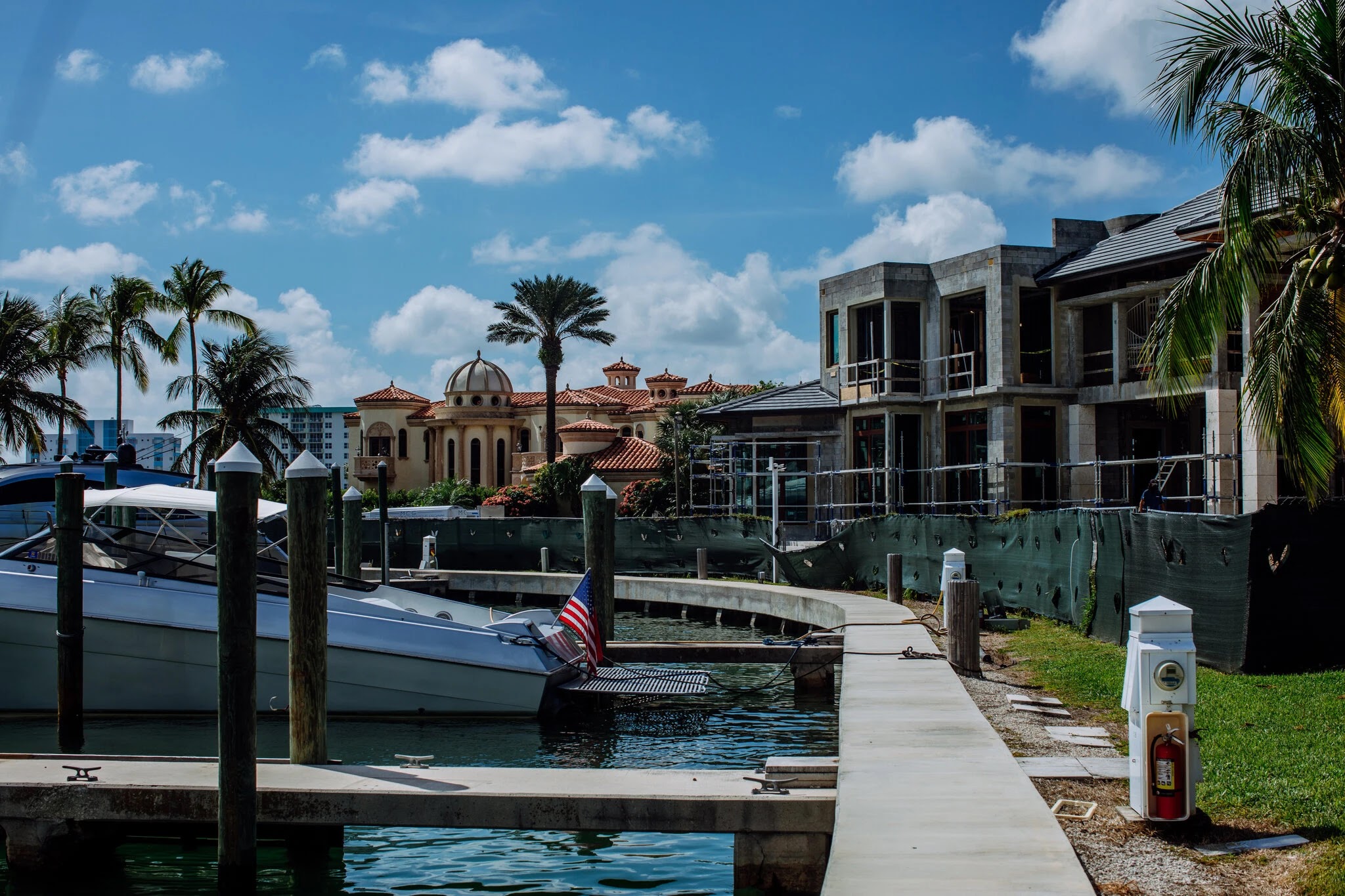
Florida's coast regularly floods

This reality of intensifying climate disasters in part helps explain the rise in concern on this issue among the American public, says Ed Maibach of the Center for Climate Change Communication at George Mason University. Maibach is part of a research team that since 2008 has surveyed and categorized American attitudes on climate change into six different groups that they call the “Six Americas.”"

 Go to complete DeSmog story

 Read time: 9 mins  By Dana Drugmand  


Related: Anxiety Mounts Abroad About Climate Leadership and the Volatile U.S. Election (excerpts): InsideClimate News

Thursday, 22 October 2020

Boiling Point: Climate change is wreaking havoc on the power grid in ways you never knew (excerpts): LA Times

 Pics from this blog

"There’s been a lot of debate about the extent to which climate change is actually to blame. Officials pointed out that four of California’s five hottest August days in the last 35 years came this past August; others have noted that the state experienced hotter days and higher overall peak electricity demand during a July 2006 heat storm that did not lead to rolling blackouts.

Here’s what’s not in dispute: As the planet gets hotter, largely because of the burning of fossil fuels, the number of blackouts caused by extreme weather is on the rise, in California and across the country.

The nonprofit research organization Climate Central analyzed federal data and released a report last month finding that hurricanes, wildfires, heat storms and other extreme weather events caused 67% more power outages in the United States during the decade ending in 2019 than they did during the previous decade"

........

"Climate change isn’t the only reason blackouts are on the rise. Roshi Nateghi, an industrial engineering professor at Purdue University, told me rapid urbanization — more people moving to cities — has put greater strains on aging infrastructure. And the data used by Climate Central may overstate the increase in weather-driven outages, since reporting requirements for utilities have gotten more stringent over time.

But there’s no question climate change is playing a role, and the effects will only get worse, Nateghi said.

“A big part of it is that our grid is vulnerable to severe weather and climate events,” she said. “And we have been seeing an increase in intensity and frequency of extreme events.”


Why is extreme weather such a problem for the electric grid? Powerful winds can knock down utility poles. Intense rains can flood substations. Ice can accumulate on wires during winter storms. Wildfires can knock out power lines — or utility companies can be forced to shut down lines to avoid igniting fires. High temperatures can cause fossil-fueled power plants to produce less electricity, which actually happened with California’s natural gas fleet in August."

Go to LA Times story 


Related:  I’m an American Climate Emigrant (excerpts): Sierra